
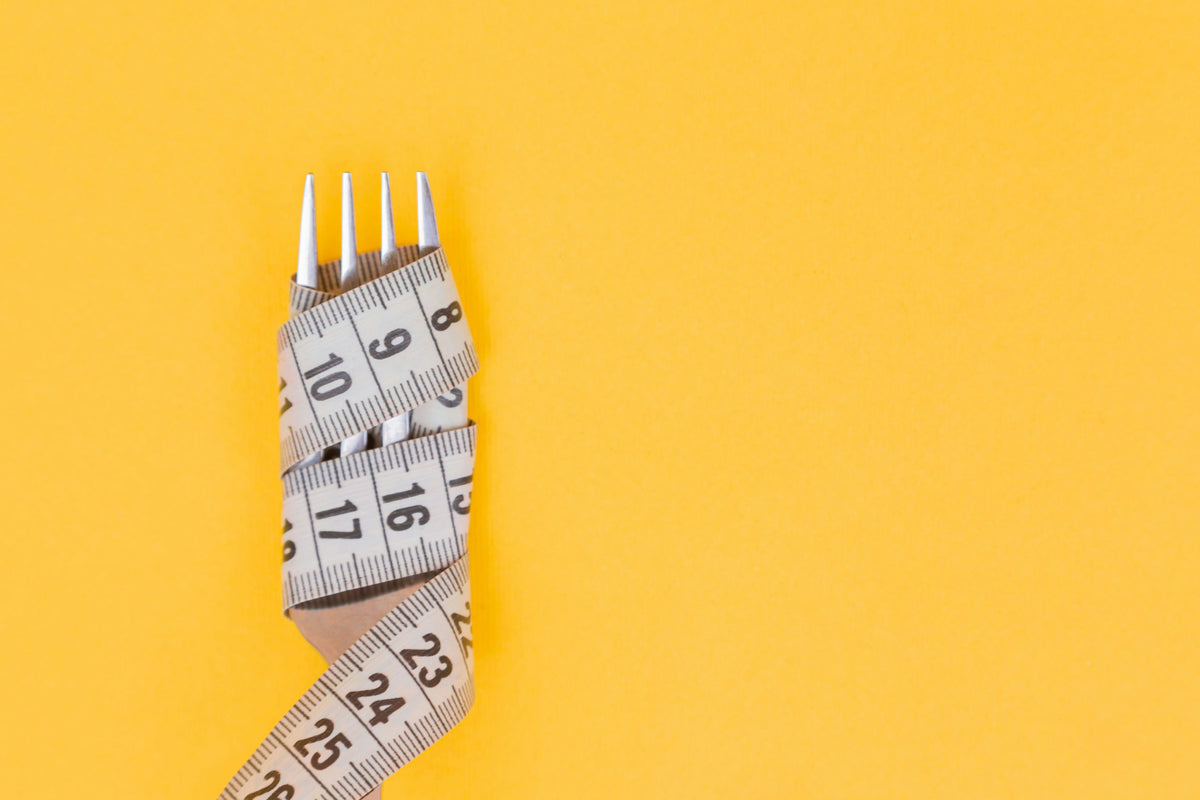
Growing up, nothing consumed my mental energy more than dreaming up ways to lose weight fast! My consciousness of my body was birthed in a fatphobic environment. My weight would be a soft landing for adults who had no other words to fill empty space. I grew up feeling as though my sole purpose was to shift weight I didn’t know I was carrying incorrectly. In hindsight, I was the most active person in my family, spending my free time between the netball court and the athletics field, though that didn’t matter to the adults around me who wanted my growing body to be smaller.
I can’t pinpoint the exact moment I developed internalised shame and thus carried a weight stigma, but I do know the word ‘weight’ and the term ‘weight-loss’ became my personal hell for almost two decades.
At 17, I finally lost weight – around 31kgs – but my approach wasn’t healthy. I would obsess over food to meet my dangerous caloric deficit. Come rain or shine, I would walk to my gym and spend at minimum 2 hours on activity 7 days a week. At the height of this chaotic phase, I could easily spend 4 hours at the gym between metafit, body pump, body combat, boxercise and other classes. I committed my body to whatever felt rigorous enough to achieve the feeling of thinness. I wasn’t concerned about my health because the only metric that mattered was the number on the scale. Though I was at my skinniest, I wasn’t healthy because my mental and emotional health was non-existent.
Ten years later, what would I tell that my 17-year-old self?
Focus on weight neutrality, not weight loss.
I’m aware that there are instances where focusing on weight-loss is important. Maybe you’re training for a sport or need to go for surgery, whatever the reason, I’m not here to invalidate you. I’ve come to adopt weight neutrality because on my fitness journey, I’ve lived many lives. Some seasons were focused on building endurance, others building muscle mass, others improving mobility etc. Each season my body presented differently. Adopting a weight neutral philosophy helped me focus on other metrics that supported my goals
So, what is weight neutrality? This approach is focused on holistic sustainable lifestyle changes to promote long-term health. Weight neutrality is based on the Health at Every Size (HAES) movement. Fundamentally HAES is all about joyful movement, body acceptance and intuitive eating. Weight-neutrality builds on that by integrating research from psychology, anthropology and sociology.
Weight neutrality recognises that health is not equally attainable for all, especially marginalised people who may not be resourced. Instead of placing shame on the individual, weight neutrality aims to meet you where you are. It aims to mitigate the weight bias internalisation and stigmas plus-size people face. Research has evidenced that something as simple as language can have a huge impact on health outcomes. Those who adopt a weight neutral approach might say “person living in a larger body” or “a person with a high BMI” instead of saying “overweight" or “fat person”.
It's worth mentioning there’s not enough research on the long-term effects of adopting a weight neutral approach. Research has maintained an unwavering stance that weight-loss is the only viable method for plus-size people. Though as of late, we now know that having a large body or a high BMI doesn’t necessarily equal poor health and emerging studies suggest that health improvements can occur independently of weight loss. Behavioural and habitual changes can be just as impactful. Things like quitting smoking, drinking less, maintaining physical activity, meditating etc can contribute to healthy living even when the scale doesn’t budge.
So having been on both spectrums, ultimately, I choose weight neutrality. But I still support those who choose weight-loss primarily, do whatever works for you as long as it's sustainable and considers your long-term holistic health.

Leave a comment
This site is protected by hCaptcha and the hCaptcha Privacy Policy and Terms of Service apply.