
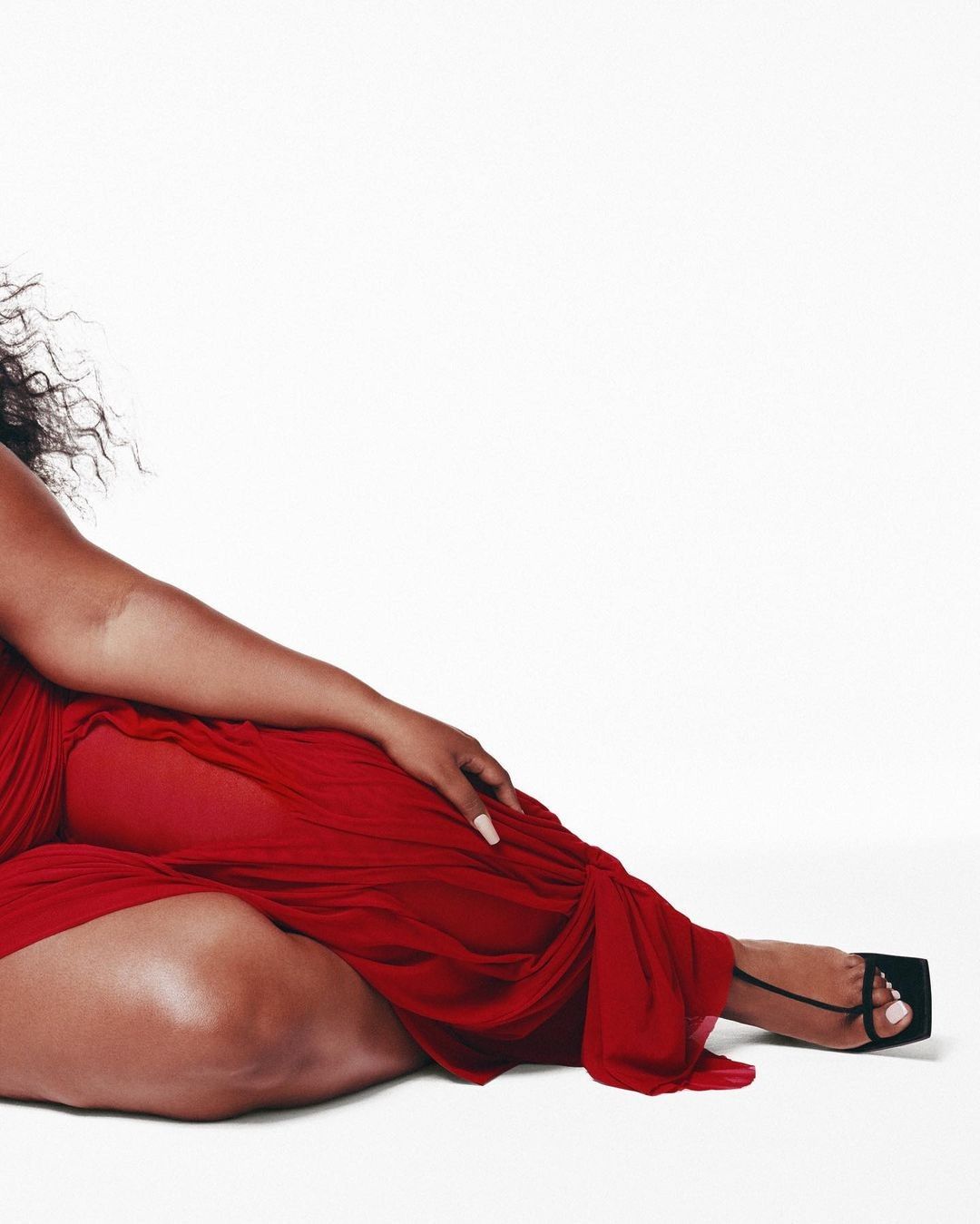
The times haven't changed, they've mutated. Replace models with influencers, undereating with Ozempic, the absence of curve clothing with the continued absence of curve clothing, and voilà — the era we're living in now is essentially the same one we're critiquing.
Our most recent pop-culture news cycle has been saturated with reviews, comments, and critiques of the Netflix documentary Reality Check: Inside America's Next Top Model. As someone who came of age in the 2000s, I wasn't exactly sprinting to press play. Many of my media and cultural memories from the noughties are tangled up with eating disorders and body policing. Shows like America's Next Top Model (ANTM) were emblematic of the dysmorphic lens on body and beauty that women inherit from one generation to the next.
Curiously, a sentiment people love to reach for when we highlight the transgressions of a past cultural moment is that "it was a different time." In some cases, that's true — but only in the sense that we hadn't yet put language to the injustice, not that the injustice didn't exist.
This isn't a review of the documentary. It's a litmus test for how far we've actually come — or haven't — when it comes to fatphobia and exclusionary practices in the fashion industry.
If you watched the documentary, episode two highlights the stories of Toccara Jones and Whitney Thompson, two of the first curve models on the show. They symbolised the 'progressive' body standards ANTM — and broader culture — claimed to be moving towards, with both estimated at a US 10/12 (UK 12/14). Despite being introduced as part of a new wave of inclusivity, it was clear the fashion industry had no real intention of changing. Neither model was styled with the same care as their smaller counterparts, and designers and judges consistently reminded both the viewers and the women themselves how exhausting it was to make "accommodations" for their bodies.
Though both went on to build successful careers and open the door for curve representation in fashion, I vividly remember thinking as a young girl: if designers won't make clothes for these models, what hope is there for me?
Tragically, fashion remains a mature industry with deeply immature business practices. The confluence of thinspiration culture and aggressive GLP-1 advertising has given brands convenient cover to roll back the body positivity initiatives they were so eager to capitalise on in the mid-2010s. Take London Fashion Week SS26 as a snapshot: mid-size representation made up just 2.0% of 9,038 runway looks, while plus-size representation accounted for only 0.9%. That isn't an oversight — it's a deliberate message.
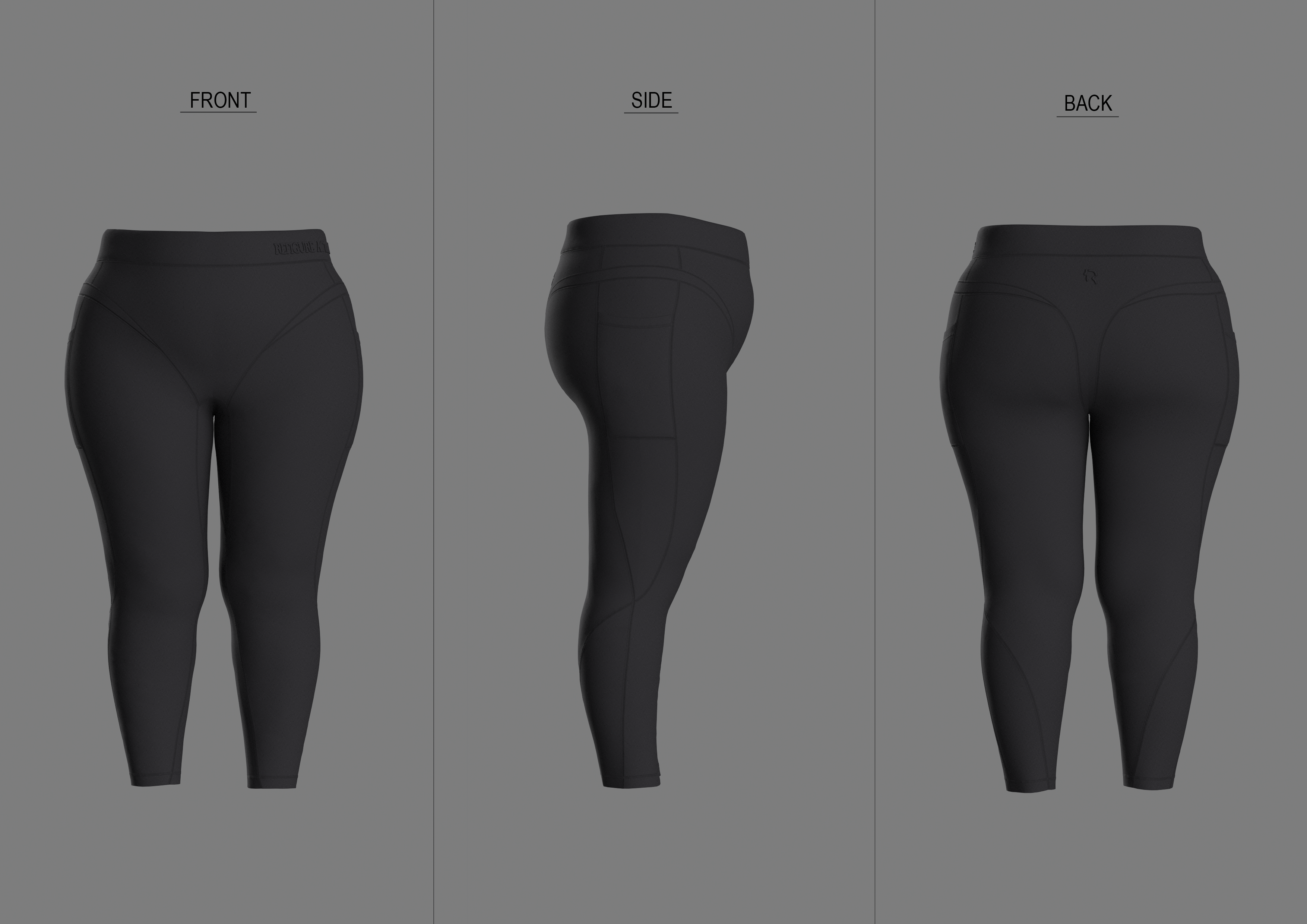
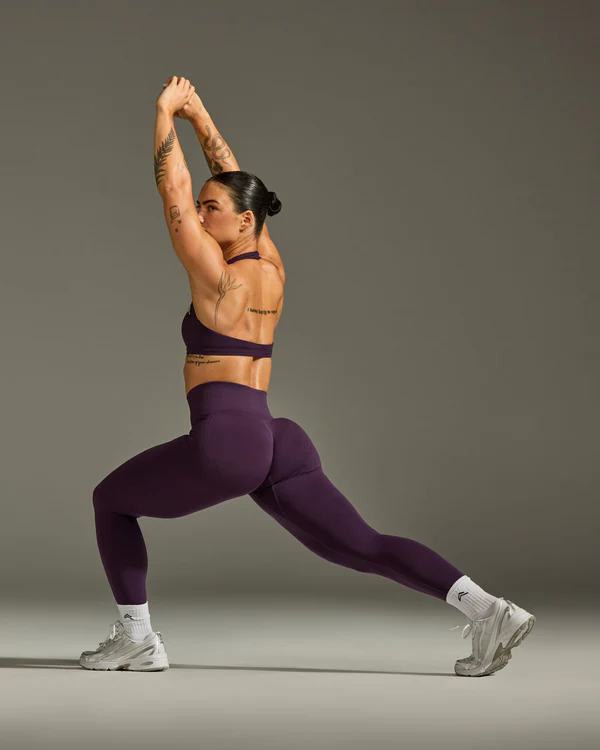
There is no justification for it. The demand for curve clothing is present and growing. In the UK, the plus-size market is worth £12bn, and 47.4% of women wear a UK 16–18. Curvy women are being penalised because brands would rather prioritise cheap, simplified production to protect margins than consider how clothing looks, feels, and wears across all body types. If independent brands like Refigure can centre size inclusivity as a core part of their offering, then the negligence of multi-billion pound companies isn't a capacity issue. It's fatphobia, plain and simple.


Leave a comment
This site is protected by hCaptcha and the hCaptcha Privacy Policy and Terms of Service apply.